
DONATE TO
CAIRNS FOR MONTROSE
MEET GREG
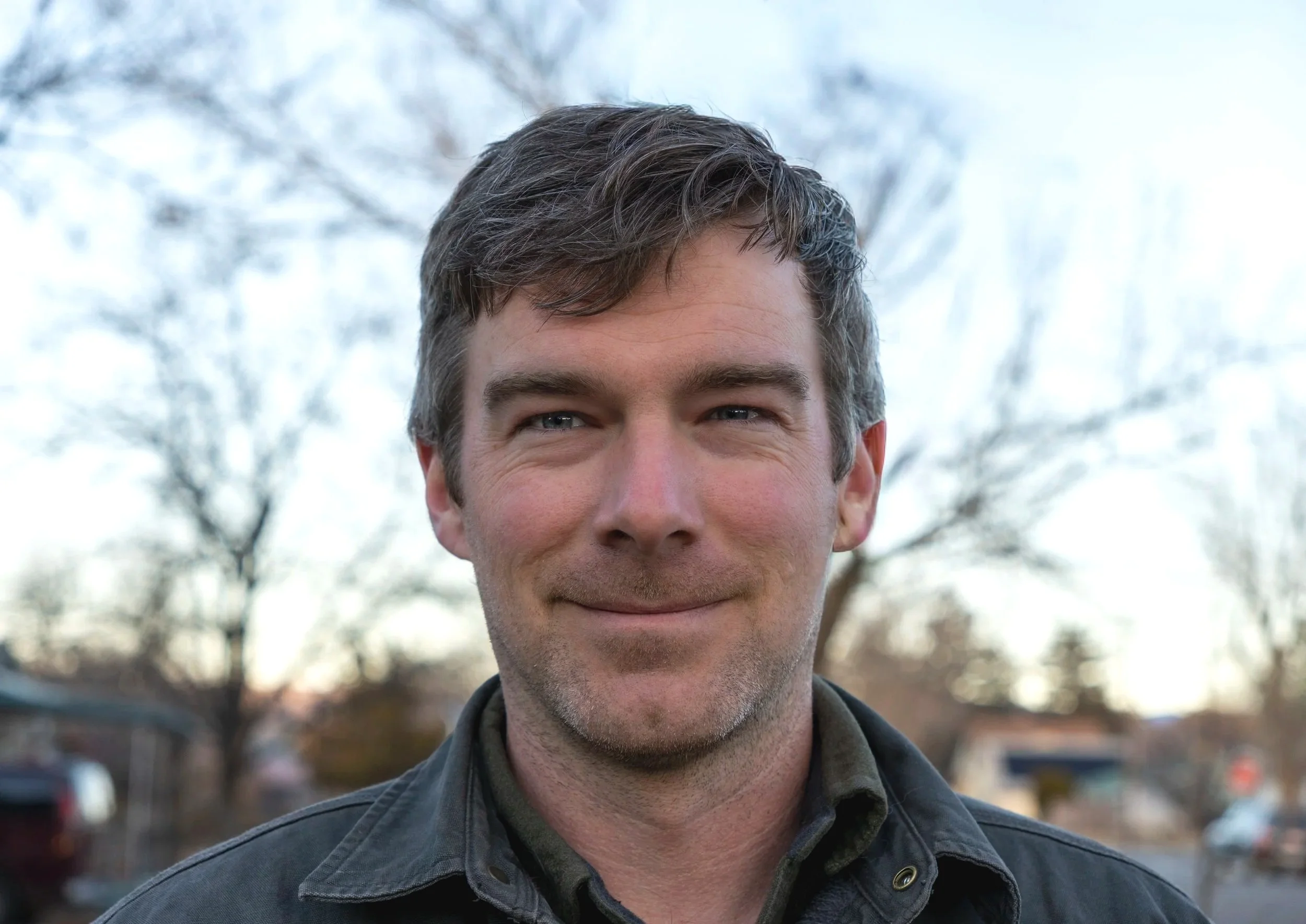
I’m running for Montrose City Council because I love living in Montrose. My wife and I chose to make our home here, on the north side of downtown, because we value strong communities, access to the outdoors, and the sense that people still look out for one another. I believe Montrose can continue to grow in a way that is welcoming, livable, and economically resilient, but only if we make deliberate, practical choices rooted in the realities people face every day.
I’m an independent because I believe local government works best when it stays focused on outcomes, not labels. City Council is thankfully nonpartisan, and I hope it stays that way. What matters is whether decisions make life more affordable, neighborhoods safer, and the future more secure for the people who already call Montrose home.
Affordability is the issue I hear about most, and the data backs that up. Montrose’s median household income sits in the low-to-mid $60,000 range, while housing, utilities, and food costs continue to rise. Nearly 13 percent of residents live below the poverty line, and many more are working full-time but still struggling to keep up. We have a sizable renter population and many seniors on fixed incomes. For too many people, the math simply doesn’t work anymore.
That’s why protecting existing modest housing—including mobile home parks—from displacement has to be a priority. We also need to allow more “missing middle” housing like accessory dwelling units, duplexes, and small multifamily buildings near jobs and services. These are practical tools that help stabilize neighborhoods and give working families real options. When the city raises new revenue—such as the lodging tax already supporting housing, childcare, streets, and transit—we owe residents transparency, efficiency, and measurable results.
Strong communities also depend on good jobs and healthy local businesses. Montrose’s economy is growing, with employment in construction, healthcare, government, retail, and hospitality, but many of these jobs are vulnerable to rising living costs. I’m pro-working-class and pro-small-business because those interests rise or fall together. My dad spent over 30 years in a union as an aircraft mechanic, and that experience shaped my understanding of dignity in work.
City government can help by simplifying permits and fees for local trades, food businesses, and creative entrepreneurs. We already partner with CMU and our schools to build training pipelines into healthcare, the trades, and clean-energy work. Let’s continue this support. When public dollars fund major projects—streets, facilities, housing—we should do everything legally possible to ensure those projects create local jobs.
Livability shows up in the small, daily things. Montrose has many residential streets that function as cut-throughs, and traffic safety is a growing concern. Lower speeds, basic traffic calming near schools, and filling gaps in sidewalks and bike networks are proven ways to reduce serious crashes, lower noise, and make neighborhoods feel calmer and safer. Parks, trails, and recreational facilities aren’t luxuries—they’re investments in youth retention, public health, and community connection.
We also need to talk honestly about climate, water, and air—without culture-war framing. Western Colorado is already experiencing hotter summers, more intense wildfire seasons, and smoke that affects our kids’ lungs and our outdoor economy. Practical solutions matter: expanding tree canopy in hotter, lower-income neighborhoods; improving building efficiency to lower utility bills; protecting watersheds; planning for drought; and supporting fire-smart land use. These are about stewardship, not slogans.
Fairness and representation must guide how we invest. Montrose is majority White, but has a significant Hispanic and Latino population, along with a real divide between long-time locals and newer arrivals. Every neighborhood deserves its fair share of street repairs, sidewalks, parks, trees, and code enforcement. Outreach needs to be real, inclusive, and accessible—including language access for Spanish-speaking residents. Transparency matters too: clear budgets, plain explanations, and open data on outcomes are how trust is earned.
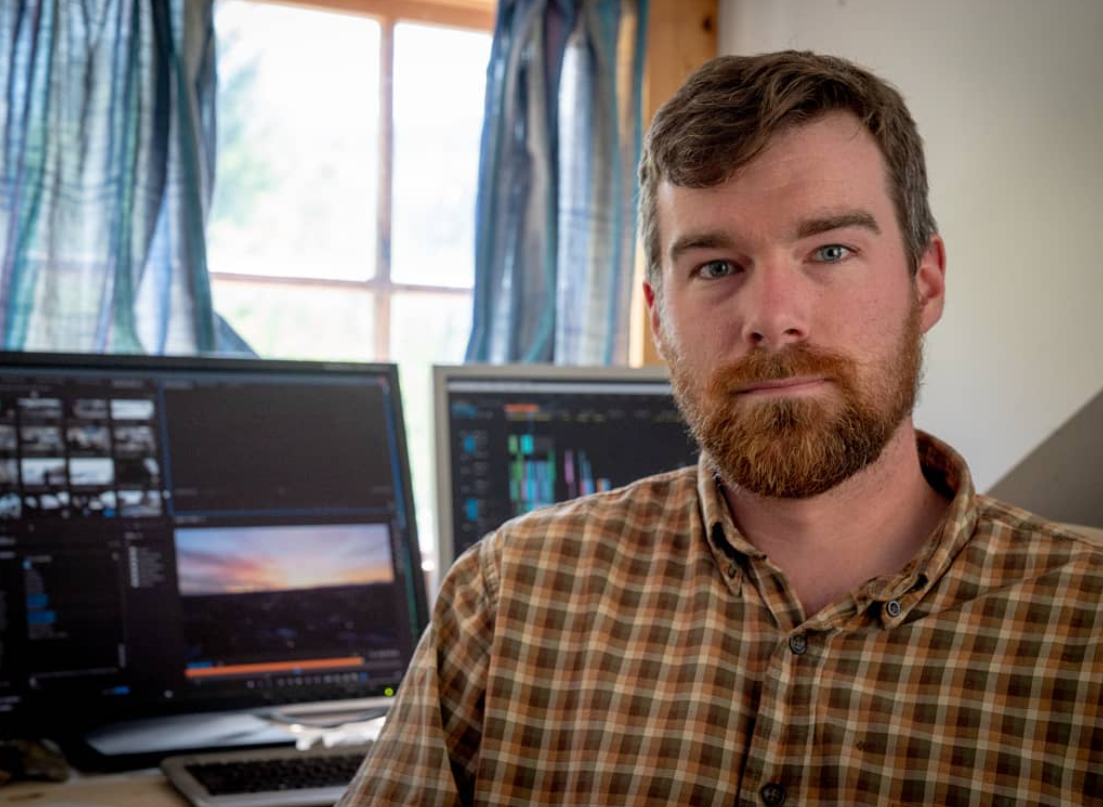
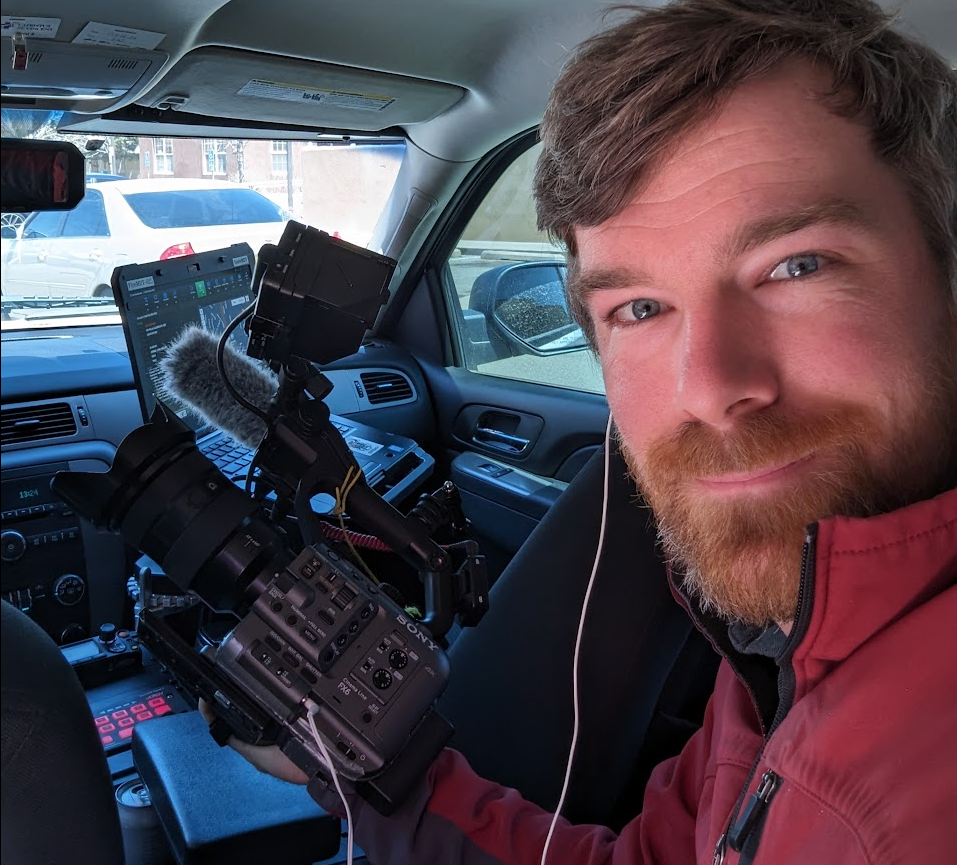
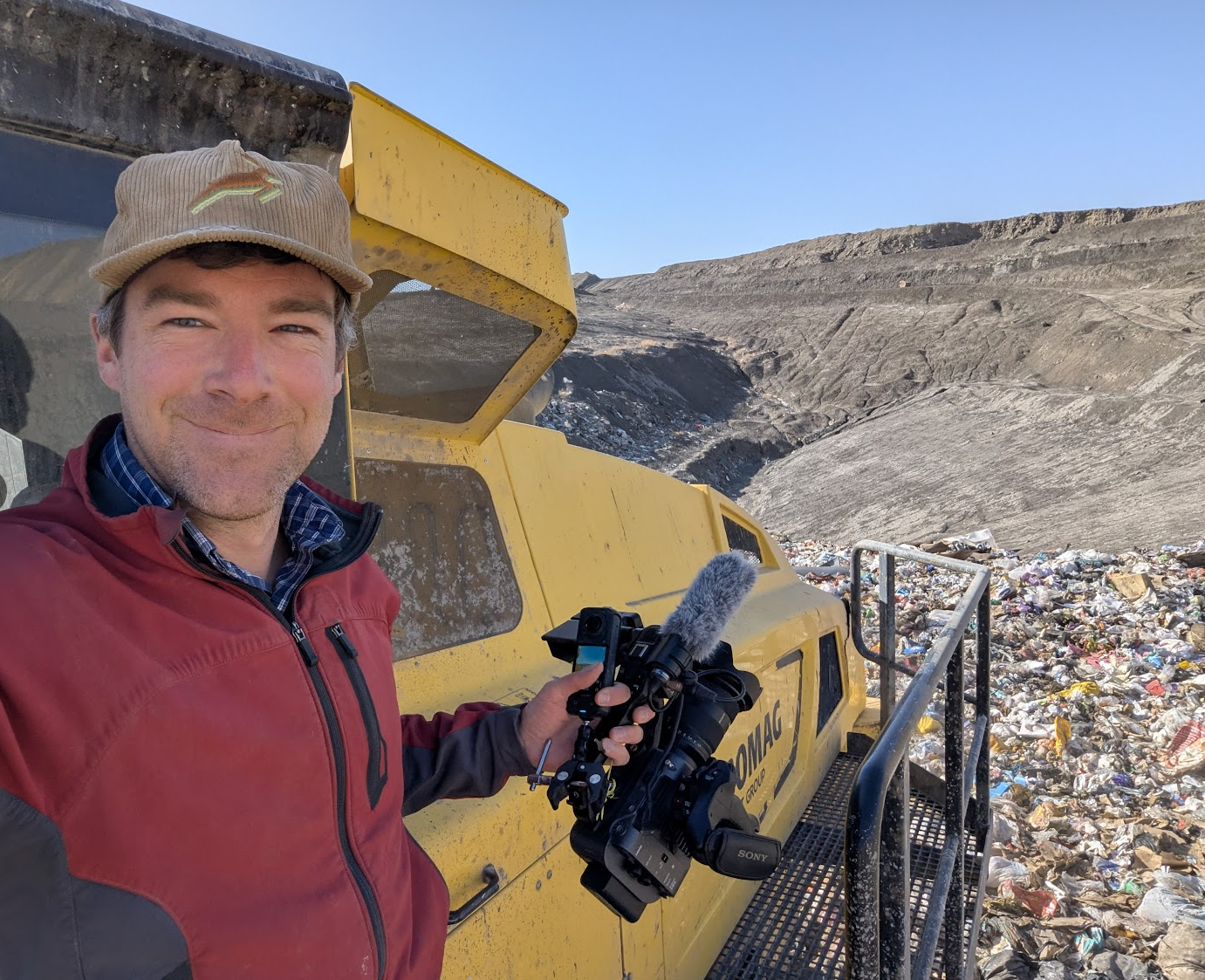
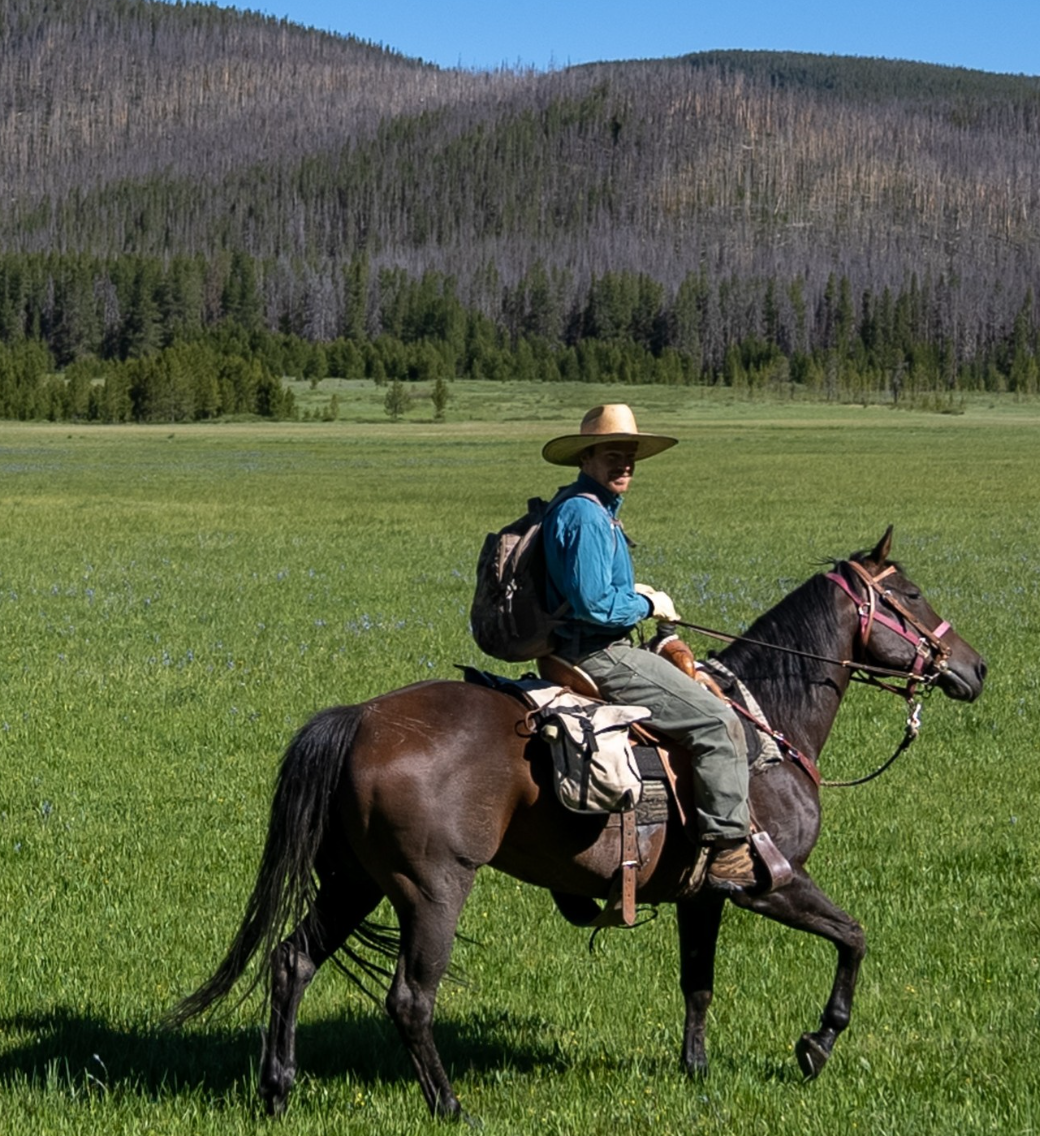
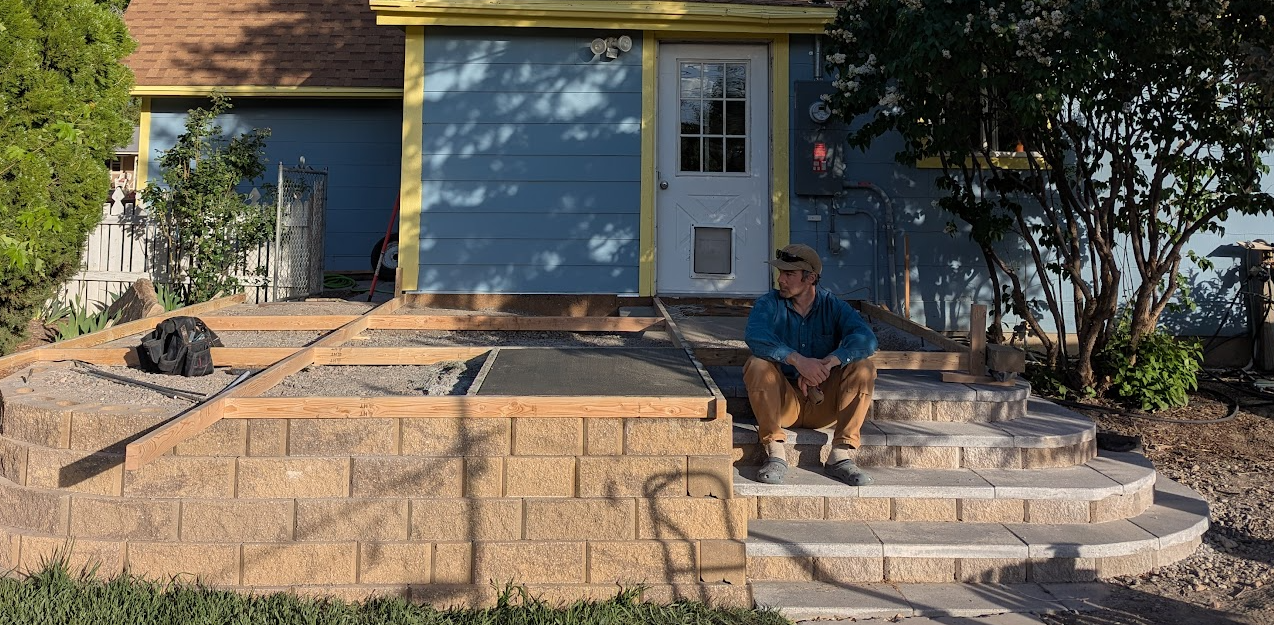
My background informs how I approach this work. I’m a documentary filmmaker now, but I’ve also built homes in Durango and worked as a commercial river guide on the Middle Fork of the Salmon. I grew up in Chicago and have lived in Vermont, Minnesota, Montana, and across the Mountain West. I hold a Humanities degree from Fort Lewis College, and I currently serve on the board of Friends of the River Uncompahgre, advocating for public access, safety, and long-term river health. The Uncompahgre is one of Montrose’s greatest assets, and we must develop responsibly while preserving it whenever possible.
As a filmmaker, I’ve spent years listening—to ranchers, tradespeople, business owners, and people experiencing homelessness. Listening carefully is what I see as my greatest strength, and it’s what I would bring to City Council.
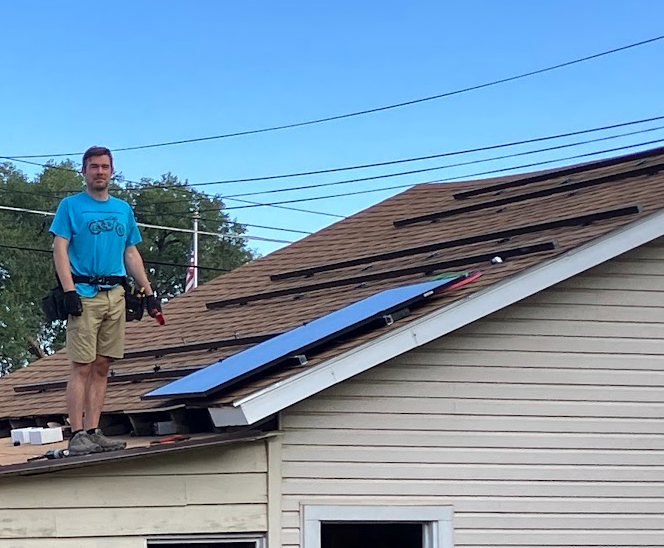
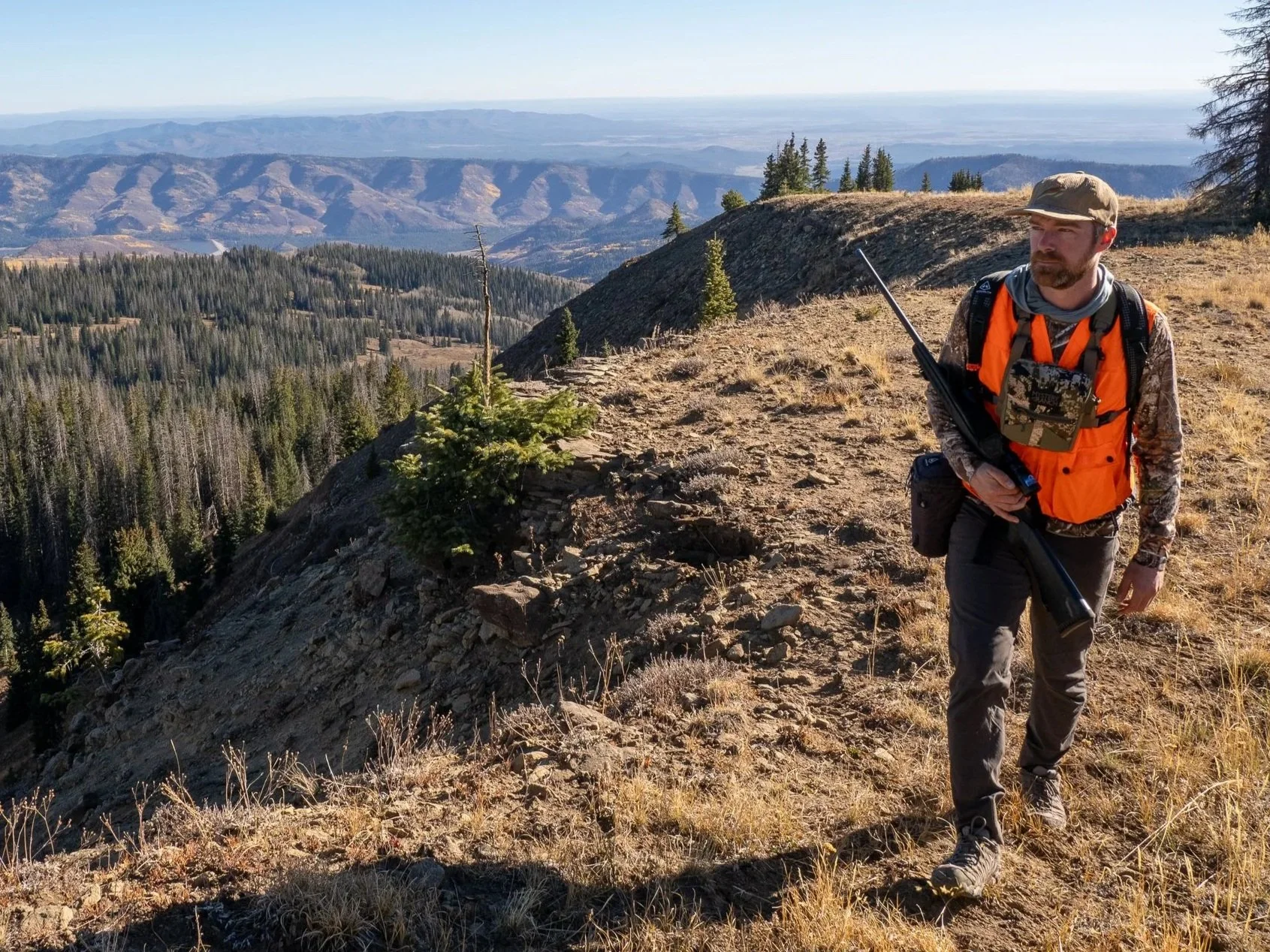
I’m also a hunter, a gun owner, and a hands-on problem solver. I installed the solar panels on our home myself, drive an electric car, and plan to install more panels this year. You’ll often find me at the dog park in winter or on the surf wave in summer.
To be clear, I’m not here to undo the good work that’s being done at the city. With that said, we can always improve. Montrose needs steady leadership, respect for facts, and a council that has an achievable vision for a even better city. That’s why I’m running.
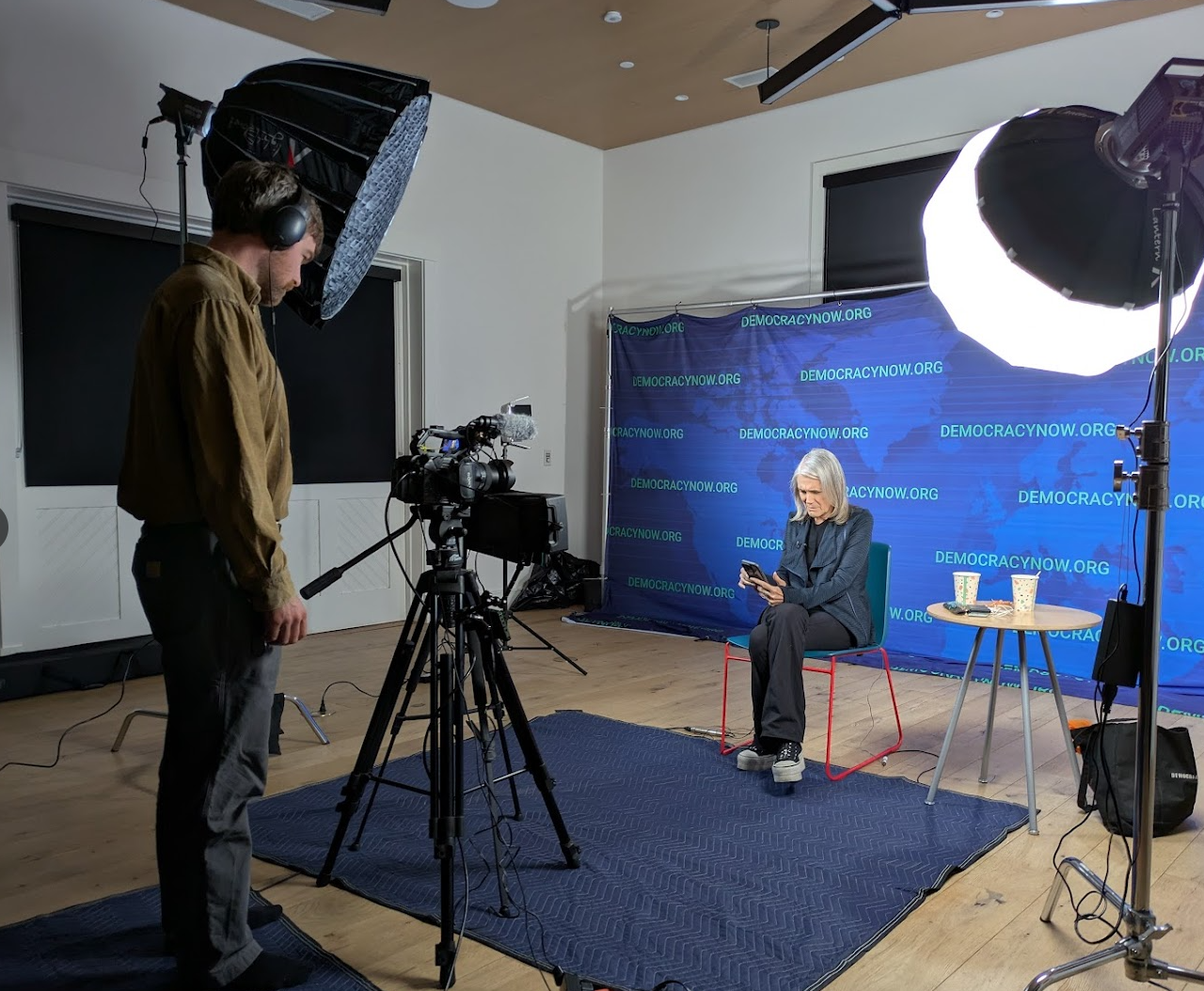
To learn more about my film work, please visit
A plan for the future
1. Cost of living and housing
Public data show Montrose with a median household income in the low‑to‑mid 60k range and a noticeable poverty rate just under 13%, plus a sizable renter and fixed‑income senior population. That means “I’m working but struggling to keep up” is a common reality.
Protect existing modest housing and mobile home parks from displacement.
Encourage “missing middle” housing (ADUs, duplexes, small multifamily) near jobs and services.
Use new revenue (like the increased lodging tax that already funds housing, childcare, streets, transit) transparently and efficiently, and pushing for measurable outcomes.
Create incentives so new homes have south‑facing roofs, solar ready roofs, and EV‑ready wiring, making future solar and EV ownership cheaper. This costs on average 60-75% less than adding these capabilities later. Seeing as gas prices rose 15% since last week, this seems logical. We can make these code changes.
Work with our inspired and enthusiastic community partners on a suite of solutions to help house the unhoused. Most folks want a warm place to sleep at night. Let’s help them better together.
Support expansion of the Montrose co-responder program to increase response rates, improve call outcomes, and reduce high-utilization by using county EMS primary‑impression data to target highest‑utilizer and chronic‑disease cohorts. Encourage communication between MFPD and the City of Montrose about a A joint city/MFPD MIH‑CP program. This is also important as a partial solution to homelessness in Montrose and can be done in a fiscally responsible way.
2. Wages, jobs, and small business
Montrose’s economy is growing, with jobs in construction, healthcare, government, retail, and hospitality, but many of those are mid‑ or low‑wage and vulnerable to cost‑of‑living pressure. I am pro‑worker and pro‑small‑business.
Simplify permitting and fees when possible for local trades, food, and creative/tech businesses.
Expand Partnership with CMU and schools for training pipelines into healthcare, trades, and clean energy.
Make sure big public projects (streets, facilities, housing) create local jobs where legally possible.
Support Infrastructure that nurtures and supports small businesses, including makerspace parks and light-industrial co-ops.
3. Streets, safety, and livability
Recent city work sessions have highlighted traffic safety concerns alongside improved enforcement and staffing funded by new revenues. Montrose has lots of residential streets that function as cut‑throughs, plus growing interest in walking and biking.
Lower speed limits and basic traffic calming on dense residential streets and around schools, backed by evidence that this cuts serious crashes and noise with minimal delay.
Continue support for filling sidewalk and bike‑network gaps so there’s a continuous, safe way to get between neighborhoods, schools, and downtown.
Targeted investments in parks, trails with an additional focus on pedestrian and cycle connectivity between neighborhoods and access to the river corridor. Encourage off-river land acquisition that improves trail and path access between downtown Montrose and surrounding public land. Similar to a “Main Street to Mountains” goal found in other public lands adjacent cities.
4. Climate, water, and air
Western Colorado is facing hotter, drier conditions, more severe wildfire seasons, and smoke events that directly hit Montrose residents’ health and outdoor life.
Expand the urban tree canopy and street‑tree program that plants shade trees in city owned right of ways (shade, lower bills, better air, higher property values). Much of the land between our sidewalks and streets in town is owned by the city. The program currently funds replacement trees but not new trees.
Energy‑efficient buildings that reduce bills (insulation, better windows, heat pumps) rather than abstract climate targets.
Strong support for watershed protection, drought planning, and fire‑smart land use.
5. Fairness and representation
Montrose is majority White but has a significant Hispanic/Latino population (around one‑fifth to one‑quarter, depending on the source and how ethnicity is counted). There’s also a split between long‑time locals and newer arrivals from the Front Range or out of state.
“Every neighborhood gets a fair share”: street repairs, sidewalks, parks, trees, and code enforcement across town, not just in a few areas.
Continue outreach and language access for Spanish‑speaking residents and working‑class neighborhoods.
Transparency: clear budgets, simple explanations of how new taxes and fees are spent, and open data on outcomes.
Enact ranked choice voting. Ranked choice voting would help Montrose by producing winners with broader support in crowded races, reducing “spoiler” worries, and encouraging less partisan, more civil, and issues‑focused campaigns.
A few thoughts on homelessness in Montrose
A few thoughts on affordability in Montrose
Contact Me
(970) 765-8243